Help support aging adults with developmental disabilities by donating today!
The AADD Difference
Engage
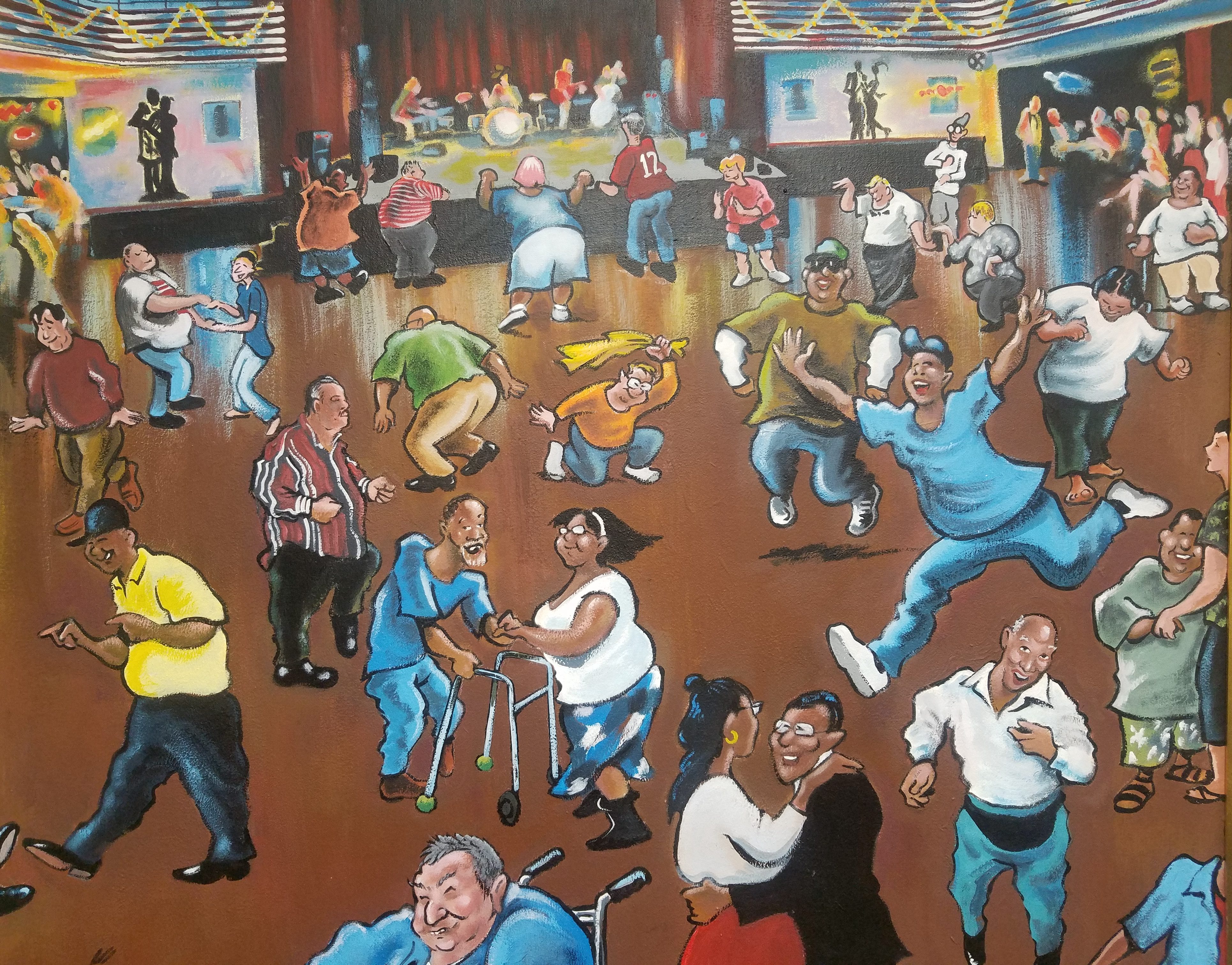
Individuals supported by AADD are valued members of their community.
Protect
Health and safety needs of individuals supported by AADD are of utmost priority.
Teach
Individuals supported by AADD both teach and learn throughout their lifetime.
Our Customers
My family loves AADD. My brother John has been a member for over 20 years. He has participated in their many activities. They have helped him gain a sense of independence and self-confidence. After our parents died, the staff at AADD became my sisters helping with John's many doctor appointments, visiting him during his hospitalizations and caring for him as a friend rather than a client. I can't say enough great things about this organization. In fact, I think so highly of AADD, that I became a member of its board.
Marty Bettlach
The Jamison and Banks families are strong supporters of AADD for all the programs and assistance they offered our loved one. The bonds created went from just the client to all our family members. Even though Denise is deceased, there is still a connection with the friends she made while participating in the many activities and programs offered through AADD. The staff of AADD was truly committed to their work and their respect, care, and concern for my sister were displayed by their words and actions. As a result of the programming and staff, Denise enjoyed a level of independence that allowed her to be a contributing member of society. I have fond memories of getting Denise ready for various activities from dances to the annual conferences. Dedication of the staff was shown by their attendance at Denise’s retirement party and they even brought her close friends to her 60th birthday party.
The Jamison and Banks families
Our Community
"I am a driver for City Seniors, and many of the AADD Senior Hot Shots group members utilize our transportation to get to and from the center. When at the center, ongoing education, socialization, skills training and skill maintenance are critical components of the Retirement Support Groups. In their discussions and teaching, health and safety issues are frequently targeted. One such area of safety training is always wearing seatbelts when in vehicles. Several members of the group often reminded me of the importance of wearing my seatbelt. One weekend, I was in a serious accident in my personal vehicle. I was wearing my seatbelt at the time, due to the reminders from the Senior Hot Shots. I credit members of this AADD group for my not being injured in the accident. I will always value the relationship that we have with AADD."
Jerry Johnson
"My name is Kenya Galloway. In all of my 17 years at Delmar Gardens of Creve Coeur, I can honestly say The Association of Aging with Developmental Disabilities program is one of the most therapeutic intergenerational pairings we’ve ever had. During these weekly visits, our residents and their clients engage with one another through song, dance, and sometimes even lunch. Our residents are particularly thrilled when our guests come to host bingo. There’s always energetic greetings, hugs, and high-fives when they enter our home. Long lasting relationships are being nurtured and there’s nothing we value more! The visits are highly anticipated by all involved. We look forward to continuing this partnership to benefit our residents and these clients who need it the most!"
Kenya Galloway
"We loved working with the AADD Senior Hotshots at City Seniors. The group was attentive, enthusiastic and fun to exercise with. There's a great energy among the staff and the group itself."
Vanessa of Vitality Ballet
"Five Star Senior Center is proud to serve as one of the centers for the AADD Senior Hotshots to meet and socialize. The AADD staff and Senior Hotshots are the highlight of our week. They have been attending Five Star for a number of years and have befriended many of our other regulars. They are the first to introduce themselves to newcomers and are welcoming to anyone who wants to join them at their tables. From karaoke to Bingo to our UMSL led Trauma Support Group, the AADD Senior Hotshots partake in every opportunity that our activity director comes up with. The Five Star staff have developed a great relationship with the AADD and look forward to continuing it far into the future."
Carla Evans, Five Star Center Executive Director
Our Funding Partners